Senior Home Care vs Assisted Living: Ease Of Access and Home Modifications
Business Name: FootPrints Home Care
Address: 4811 Hardware Dr NE d1, Albuquerque, NM 87109
Phone: (505) 828-3918
FootPrints Home Care
FootPrints Home Care offers in-home senior care including assistance with activities of daily living, meal preparation and light housekeeping, companion care and more. We offer a no-charge in-home assessment to design care for the client to age in place. FootPrints offers senior home care in the greater Albuquerque region as well as the Santa Fe/Los Alamos area.
4811 Hardware Dr NE d1, Albuquerque, NM 87109
Business Hours
Most families don't begin purchasing care settings since they wish to, they do it since something changed. A fall on the back steps. The brand-new arthritis meds that sap energy. The moment when a child notifications Mom is turning the stove off more slowly than in the past. Those information drive the most crucial concern: is remaining at home safe with the ideal assistance and home adjustments, or would assisted living offer better ease of access and peace of mind? I have strolled this decision many times with families, and the most intelligent outcomes typically come from measuring what the home can do for the person, not the other way around.
How accessibility forms the decision
Care needs been available in layers. Assist with shopping and light housekeeping is one layer. Bathing, dressing, and medication management add others. Movement and cognition change the calculus once again. Availability runs through all layers, since if a senior can not reach, step, grip, see, or move securely, even the very best care strategy will strain.
Assisted living environments begin with a baseline of accessibility integrated in. Corridors are wide, limits are very little, get bars and lever manages come standard, and elevators get rid of the stairs from daily life. At home senior care can match that security, however the home itself needs to be made ready. That might be a long afternoon of reorganizing furnishings and adding movement lights. It might likewise be a full bathroom remodel. The space in between a fast repair and structural modification is where numerous households hesitate.
The secret is not guessing. Look at the specific tasks that trigger risk or friction in a typical day, then test whether the home can support those tasks with affordable adjustments. The more mobility constraints and chronic hazards you discover, the more the assisted living alternative should have a difficult look.
A day in each setting
I like to sketch the exact same individual in two environments to expose the trade-offs. Image Michael, 82, who uses a senior home care footprintshomecare.com walking cane, has moderate memory changes, and requires aid with showers, laundry, and meal prep.
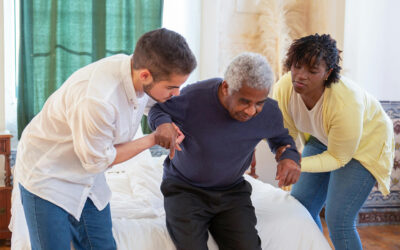
At home with senior home care, mornings may start with a caregiver showing up 3 days a week for two hours. He or she helps with a shower using a transfer bench, sets out clothing on a chair at hip height, and preparations breakfast while Michael does oral care. The home has lever deals with, a raised toilet seat with arm supports, and a rubber limit ramp on the back entrance. On non-visit days, Michael heats up a prepared meal and showers with a portable sprayer while his daughter checks in by phone. Nights are peaceful with the television and a puzzle book. The front steps are still a chore, so shipments replace most errands. The rhythm recognizes, which helps him remain oriented.
In assisted living, staff do early morning rounds, offer cueing for breakfast, and schedule showers on set days with experienced aides. Michael can stroll to the dining-room, park his cane under the table, and talk with neighbors who remember the exact same baseball gamers. Housekeeping and laundry come weekly. If he forgets to switch off the iron, maintenance will capture it on their rounds. When he gets ill for a weekend, assistance is on website. The trade-off is less control over regimens and a new environment to learn, plus the monthly cost that covers space, care, and amenities.
Both paths can keep Michael safe. The much better choice depends on the home's modifiability, his tolerance for modification, the predictability of his requirements, and the family's bandwidth.
What home care can do well, and where it strains
In-home care shines when routines are stable and threats are manageable. An experienced senior caretaker can turn an awkward bathroom into a convenient one with basic devices and technique. They understand how to cue without patronizing and how to establish a cooking area counter so joint discomfort doesn't win. For customers who value personal privacy and the comfort of their own bed, elderly home care preserves self-reliance in a familiar setting.
It strains in 3 circumstances. Initially, when movement needs 2 individuals for transfers. If an individual requires hands-on support from 2 caretakers to move from bed to chair, staffing those moments in your home gets expensive quickly, and gaps become risky. Second, when habits or cognition cause unforeseeable roaming, exit-seeking, or nighttime activity. Individually over night care can handle it, but costs climb and household tiredness sets in. Third, when the home's layout fights every job: narrow entrances that can't be broadened, a bathroom squeezed under the eaves, five actions that can't take a ramp since the landing is small. You can develop workarounds, however they rarely beat a building designed for accessibility.
The genuine costs: dollars, time, and disruption
I frequently see households compare a monthly assisted living fee to a hourly home care service and stop there. That skips big cost motorists, and it undervalues the family's effort.
For home care, the noticeable line item is the caregiver's hourly rate, which differs by area. In many city locations, a reputable home care service runs 28 to 40 dollars per hour. A modest schedule might be 20 hours weekly, or approximately 2,400 to 3,200 dollars per month. Include equipment: get bars and a shower chair can be under 200 dollars, however a quality stairlift is typically 2,500 to 5,000 installed, and a bathroom conversion can vary from 7,000 to 20,000 depending on scope. Small changes, like lever handles and brighter lighting, add a few hundred. These are typically one-time expenses, however the timing matters.
Assisted living packages shelter and services. Base rates commonly start around 4,000 to 6,500 dollars per month in lots of regions, with care level charges including 500 to 2,000 as requirements increase. The regular monthly number looks large, but remember it replaces home mortgage or rent, utilities, home upkeep, some meals, and housekeeping. The relocation can likewise set off downsizing and sale of a home, which alters cash flow.
Then there is time. Organizing modifications, scheduling installers, teaching a brand-new senior caretaker your loved one's choices, and covering ill days take real effort. Some households thrive on being that coordinator. Others choose the integrated system of assisted living, even if it implies adjusting to a community schedule. Neither choice is wrong. Simply put a value on your time and peace of mind.
Safety by the square foot: evaluating a home
A mindful walk-through informs you 80 percent of what you need. Start at the curb. If the driveway slopes steeply or the walkway heaves, you know winter season will be difficult. Count steps to the main entryway and determine the landing. If you require a ramp, you will desire about one foot of run for every inch of rise for a comfortable slope. A three-step deck is normally achievable. A high stoop with a narrow turn may require a various entryway or a platform lift.
Inside, try to find bottlenecks. Doorways under 32 inches broad make walker usage uncomfortable and wheelchairs impossible without modifications. Older bathrooms often have 24-inch doors. Pocket doors can often help, but they demand wall space. If you can not expand, utilize swing-clear hinges to get a precious inch and a half.
Kitchens with deep corner cabinets lead people to flex and twist, which welcomes falls. Pull-out shelves and lazy Susans lower reaching. Sinks that are set back on broad counters can be tough to utilize while seated. Small shifts matter: a stool tucked at the ideal height, a kettle with a one-touch switch, a magnetic strip for keys near the door.
Lighting is the cheapest security upgrade with the strongest payback. Install brilliant, even light in hallways, stairwells, and the restroom. Add motion-activated night lights along the route from bed to toilet. Glare is an issue for aging eyes, so pick bulbs with a warm color temperature and matte shades.
Flooring needs to be flat, non-glossy, and consistent. Toss rugs belong in the closet or fixed with anti-slip support that genuinely grips. Thresholds under half an inch keep walkers stable. If you need a threshold ramp, choose rubber or aluminum designs that fix strongly and don't wiggle underfoot.
Touches assist hands. Lever deals with on doors and faucets beat knobs for arthritic fingers. Rocker light switches are simpler to use. In the tub or shower, get bars should be anchored to studs, not suctioned to tile. A single vertical bar by the faucet location aids with entry, and a horizontal bar near hip height helps with balance.
Stairs should have special attention. Beyond including railings on both sides, paint or apply contrasting tape on the edge of each tread to make depth simpler to evaluate. If stairs are inescapable, a chair lift can extend self-reliance for years. The best installations include a flip-up rail at the base if the track would block a hallway.
Finally, inspect sight lines and clutter. In many homes I visit, the most harmful item is a narrow hallway table that steals inches from a walker's path. Eliminate it. Physical area is not emotional. Safety comes first.
When adjustments are simple, and when they are structural
Small modifications can resolve huge problems when requirements are mild to moderate. A restroom set with a shower chair, a handheld sprayer, two well-placed grab bars, and a non-slip mat offers a much safer bathing routine without restoration. Including a raised toilet seat with tough armrests is a fast job. Altering doorknobs to levers takes an afternoon. These are affordable wins that improve self-respect and confidence.
Structural changes require preparation. Transforming a tub to a curbless shower usually implies moving plumbing, waterproofing, and rebuilding the floor slope. Widening an entrance implies rerouting electrical wiring and reframing, which may open surprises in older homes. A ramp for a four-step porch may extend 20 to 30 feet to reach a gentle grade, which can crowd a little lawn or clash with zoning guidelines. If these projects stack up, compare the overall expense and disturbance to the stability of assisted living.
There is likewise a gray zone: creative but short-term services. Portable aluminum ramps can bridge a single step into a garage. Bed rails and move poles can make standing simpler without drilling into walls. A pedestal sink can be switched for a wall-mounted sink with knee clearance to enable seated use, then swapped back when selling the home. These middle-ground adjustments can buy time and flexibility.
The human element: self-reliance, routine, and community
Accessibility is not just about hardware. A home holds routines and functions. I have actually seen clients stroll much better in their own kitchen areas than in clean treatment health clubs since the distance to the fridge makes good sense. They reach for the same shelf, turn to the exact same table, and the body keeps in mind. That familiarity is a possession in home care.
Assisted living uses a different type of assistance: social rhythm. Meals at the exact same time, familiar personnel faces, and neighbors who become buddies. For some elders, that rhythm reduces stress and anxiety and isolation, which enhances movement and appetite. For others, the loss of a garden, a pet at the foot of the bed, or an early morning radio station feels too costly.
Families must listen closely to what self-reliance indicates to the person receiving care. For one gentleman I dealt with, self-reliance implied choosing his own breakfast, even if it took longer. We set up at home senior care so he might crack his eggs securely. For another, it indicated not needing to ask his daughter to lift the laundry basket any longer. Assisted coping with weekly laundry was a relief.
Risk, liability, and the safety net
One benefit of assisted living is the built-in safeguard. If a caretaker calls out sick, the center finds protection. If a resident declines suddenly, nursing personnel can escalate to a higher level of care. There are look at medication routines and fire security. Families sleep simpler when they are not plugging staffing holes.
At home, the safeguard depends on the depth of your lineup and the reliability of your home care service. Good firms have backups and an on-call organizer, but same-day switches are not ensured. Independent caregivers can be excellent, often forming deep bonds, but the household ends up being the HR department. Insurance coverage also differs. Agencies bring employees' payment and liability protection. If you employ independently, you should verify coverage and handle tax withholding. This is not a reason to prevent home care, just a suggestion to ask cautious questions.

A practical framework for deciding
Here is a compact way to structure the choice without getting stuck. Keep it concrete, and set a time horizon.
- Map the jobs: list the five everyday activities that cause one of the most stress or danger. Believe bathing, toileting, transfers, meal prep, and nighttime restroom trips.
- Walk your home: for each job, recognize what the home does well and what it combats. Step entrances and stair heights, check lighting, and note hazards.
- Price the fixes: get ballpark expenses for devices and any construction. Include caretaker hours required now and likely in the next 6 to twelve months.
- Stress-test schedules: decide how coverage takes place if a caregiver is out, if care needs rise, or if the household takes a trip. Write down the plan, not simply a hope.
- Try a time-box: if home care seems feasible, commit to a 90-day trial with specific adjustments and check-ins. If assisted living looks better, schedule short stays or respite sees to check fit.
That structure does 2 things. It anchors the conversation in tasks and timelines, and it creates an approval structure to alter course without guilt. The majority of households I've supported appreciate that flexibility.
The nuts and bolts of home adjustments that work
When I stroll into a house for an availability seek advice from, I bring a stud finder, a measuring tape, a small level, and a note pad. I am not there to offer a remodelling, I exist to make the next 6 months more secure. The most dependable repairs share 3 traits: they are anchored, they are intuitive, and they respect the person's habits.
Anchored means get bars into studs, railings that do not wobble, and ramps secured to avoid sneaking. I have seen suction cup bars peel off at the worst moment. They have their location for travel, not for everyday use.
Intuitive ways putting assistances where the hand naturally reaches. A bar expensive or too far loses value. A light switch you should search for gets ignored. If the person constantly enters the tub at the left end, put the vertical bar there. If they always sit to put on socks, give them a sturdy chair at the right height, not a low, soft ottoman.
Respecting practices implies changing the environment to the individual's rhythm instead of requiring a new regular immediately. If the preferred mug survives on the 2nd shelf, move the whole set of day-to-day meals to a lower drawer so the practice still works, simply at a more secure height. If a precious rug is a hazard, change it with a low-pile, non-slip version in a similar pattern rather than removing it cold turkey.
Technology can assist, however it must serve a clear purpose. Video doorbells decrease trips to the door. Smart plugs can shut off lamps on a schedule. Medication dispensers with locking lids and audible informs prevent double dosing. Fall-detection wearables are useful if the individual in fact wears them; otherwise, a basic movement sensing unit with a home center might provide more real-world value.
The function of the senior caregiver
Good caregivers do more than tasks. They coach, observe, and adjust. In elderly home care, they become the bridge between the care intend on paper and the lived reality of your home. I have actually enjoyed a caretaker change the angle of a shower chair by a few degrees and turn a fearful bather into an unwinded one. I have seen a caregiver reorganize a pantry so that the first rack held protein treats with easy-open packaging, which bumped a client's day-to-day calories without a lecture. Those little options show why selecting the right person matters as much as the number of hours.
Consistency assists. When possible, keep the same senior caregiver or small group. They learn gait patterns, the meaning of a particular sigh, and when a quiet early morning suggests blood pressure is low. Agencies that specialize in senior care typically invest in dementia training and fall-prevention education, which settles at home and in assisted living companionship roles.
Assisted living availability, beyond the building
Facilities are built for access, however the best ones layer in individual modifications. Ask how they deal with particular mobility requirements. Do they install additional grab bars in resident restrooms if requested? Can bed height be changed or changed with a familiar mattress? Are door levers simple to utilize, and are closet rods within reach for someone utilizing a walker?
Dining rooms matter. Look for chairs with arms for safe standing, pathways wide enough for mobility help, and lighting that lowers glare on tabletops. Observe how personnel assist without hurrying. A resident who can make it from space to dining room securely maintains more independence.
Outdoor areas should not be ignored. Smooth, level walking paths, handrails on any grade modifications, benches every 50 to 100 feet, and shade are indications that a neighborhood understands aging bodies. If your loved one is a garden enthusiast, inquire about raised beds.
Policies belong to ease of access. Can households generate private in-home care if requirements surpass the standard assistance? Exists a clear course to memory care or experienced nursing if required? Knowing the thresholds for modification avoids surprises.
How to discuss the trade-offs with your liked one
People rarely alter homes purely on reasoning. Approach the discussion with regard and specifics. Rather than "You can't be safe here anymore," try "The stairs to the laundry are taking energy, and I want to conserve that energy for things you delight in. We have two choices: bring the laundry upstairs and set up a 2nd handrail, or move to a location where laundry is provided for you. Which feels much better?"
Bring tangible examples. Sit together on the bed and test stand-pivot transfers with and without a bed rail. See for how long it requires to move from sofa to the restroom in the evening with existing lighting, then with included night lights. Experience the distinction, then decide.
If assisted living is on the table, schedule a meal visit, not a sales tour. Taste the food, listen to the dining room, and view how homeowners navigate with walkers. Ask staff if a short respite stay is possible. Short stays can dissolve worry and let a senior try the neighborhood without an all-in commitment.
Edge cases that should have attention
Rural homes complicate staffing. If the nearby caretaker lives 40 miles away on winter season roadways, coverage will be fragile. Assisted living in the nearest town might supply more consistent assistance even if it means a longer drive for family visits.
Multilevel urban condominiums with elevators can be rather accessible, but small bathrooms and tight hallways still limit movement. Think about whether a rollator can turn in the restroom and whether the structure enables small modifications like grab bars.
Cultural preferences matter. In some families, several generations cohabit and choose to keep care in the house. That can work wonderfully with a clear department of labor and respite support. In others, personal privacy is valued, and a neutral setting reduces stress. Forming the plan to the household culture, not the other way around.
Pets make complex the formula in the very best method. A canine might inspire everyday strolls and social contact, but it also introduces tripping dangers and care responsibilities. Some assisted living communities welcome pets with rules and assistance. If the family pet is main to wellness, weigh pet-friendly alternatives heavily.
A simple path forward
If you are still on the fence, enter action with a short, focused plan. Bring in a licensed physical therapist for a home security evaluation. They will measure, enjoy motion patterns, and advise specific devices. Set that with a trial of home care for a set variety of hours per week. Install the simplest modifications initially: lighting, get bars, lever deals with, and a shower chair. After 60 to 90 days, assess falls, fatigue, and mood. If threats have actually dropped and life feels smoother, continue. If gaps continue or care hours keep sneaking up, visit assisted living neighborhoods with a clear list of needs.
Whichever course you choose, keep it vibrant. Health modifications, seasons change, and so do preferences. The best senior care plans breathe. Home can be made safer than many families recognize, and assisted living can be warmer and more individual than many expect. You are not choosing permanently on day one. You are picking the next best step, with eyes open and hands steady.
Resources that help without noise
Look for contractors acquainted with aging-in-place requirements. Ask about experience setting up grab bars into tile and about blocking walls for future bars. Trusted home care companies will send out a care coordinator to assess the home for free and suggest practical fixes, even if you are not prepared to start services. Area Agencies on Aging frequently learn about grant programs for ramps or bathroom adjustments. Veterans might get approved for home modification support or a caregiver stipend through particular programs. These resources seldom cover whatever, but they can soften the financial edge.
Above all, measure two times and drill as soon as, whether you are installing a grab bar or making a life decision. The point of accessibility is liberty, not limitation. Done well, it gives a senior the dignity of option, and it provides the household the peaceful confidence that comes from a safer, kinder environment, at home or in community.
FootPrints Home Care is a Home Care Agency
FootPrints Home Care provides In-Home Care Services
FootPrints Home Care serves Seniors and Adults Requiring Assistance
FootPrints Home Care offers Companionship Care
FootPrints Home Care offers Personal Care Support
FootPrints Home Care provides In-Home Alzheimer’s and Dementia Care
FootPrints Home Care focuses on Maintaining Client Independence at Home
FootPrints Home Care employs Professional Caregivers
FootPrints Home Care operates in Albuquerque, NM
FootPrints Home Care prioritizes Customized Care Plans for Each Client
FootPrints Home Care provides 24-Hour In-Home Support
FootPrints Home Care assists with Activities of Daily Living (ADLs)
FootPrints Home Care supports Medication Reminders and Monitoring
FootPrints Home Care delivers Respite Care for Family Caregivers
FootPrints Home Care ensures Safety and Comfort Within the Home
FootPrints Home Care coordinates with Family Members and Healthcare Providers
FootPrints Home Care offers Housekeeping and Homemaker Services
FootPrints Home Care specializes in Non-Medical Care for Aging Adults
FootPrints Home Care maintains Flexible Scheduling and Care Plan Options
FootPrints Home Care is guided by Faith-Based Principles of Compassion and Service
FootPrints Home Care has a phone number of (505) 828-3918
FootPrints Home Care has an address of 4811 Hardware Dr NE d1, Albuquerque, NM 87109
FootPrints Home Care has a website https://footprintshomecare.com/
FootPrints Home Care has Google Maps listing https://maps.app.goo.gl/QobiEduAt9WFiA4e6
FootPrints Home Care has Facebook page https://www.facebook.com/FootPrintsHomeCare/
FootPrints Home Care has Instagram https://www.instagram.com/footprintshomecare/
FootPrints Home Care has LinkedIn https://www.linkedin.com/company/footprints-home-care
FootPrints Home Care won Top Work Places 2023-2024
FootPrints Home Care earned Best of Home Care 2025
FootPrints Home Care won Best Places to Work 2019
People Also Ask about FootPrints Home Care
What services does FootPrints Home Care provide?
FootPrints Home Care offers non-medical, in-home support for seniors and adults who wish to remain independent at home. Services include companionship, personal care, mobility assistance, housekeeping, meal preparation, respite care, dementia care, and help with activities of daily living (ADLs). Care plans are personalized to match each client’s needs, preferences, and daily routines.
How does FootPrints Home Care create personalized care plans?
Each care plan begins with a free in-home assessment, where FootPrints Home Care evaluates the client’s physical needs, home environment, routines, and family goals. From there, a customized plan is created covering daily tasks, safety considerations, caregiver scheduling, and long-term wellness needs. Plans are reviewed regularly and adjusted as care needs change.
Are your caregivers trained and background-checked?
Yes. All FootPrints Home Care caregivers undergo extensive background checks, reference verification, and professional screening before being hired. Caregivers are trained in senior support, dementia care techniques, communication, safety practices, and hands-on care. Ongoing training ensures that clients receive safe, compassionate, and professional support.
Can FootPrints Home Care provide care for clients with Alzheimer’s or dementia?
Absolutely. FootPrints Home Care offers specialized Alzheimer’s and dementia care designed to support cognitive changes, reduce anxiety, maintain routines, and create a safe home environment. Caregivers are trained in memory-care best practices, redirection techniques, communication strategies, and behavior support.
What areas does FootPrints Home Care serve?
FootPrints Home Care proudly serves Albuquerque New Mexico and surrounding communities, offering dependable, local in-home care to seniors and adults in need of extra daily support. If you’re unsure whether your home is within the service area, FootPrints Home Care can confirm coverage and help arrange the right care solution.
Where is FootPrints Home Care located?
FootPrints Home Care is conveniently located at 4811 Hardware Dr NE d1, Albuquerque, NM 87109. You can easily find directions on Google Maps or call at (505) 828-3918 24-hoursa day, Monday through Sunday
How can I contact FootPrints Home Care?
You can contact FootPrints Home Care by phone at: (505) 828-3918, visit their website at https://footprintshomecare.com, or connect on social media via Facebook, Instagram & LinkedIn
Strolling through historic Old Town Albuquerque offers a charming mix of shops, architecture, and local culture — a great low-effort outing for seniors and their caregivers.